Musée d’Orsay vs. Louvre: Which Paris Museum Should You Choose?
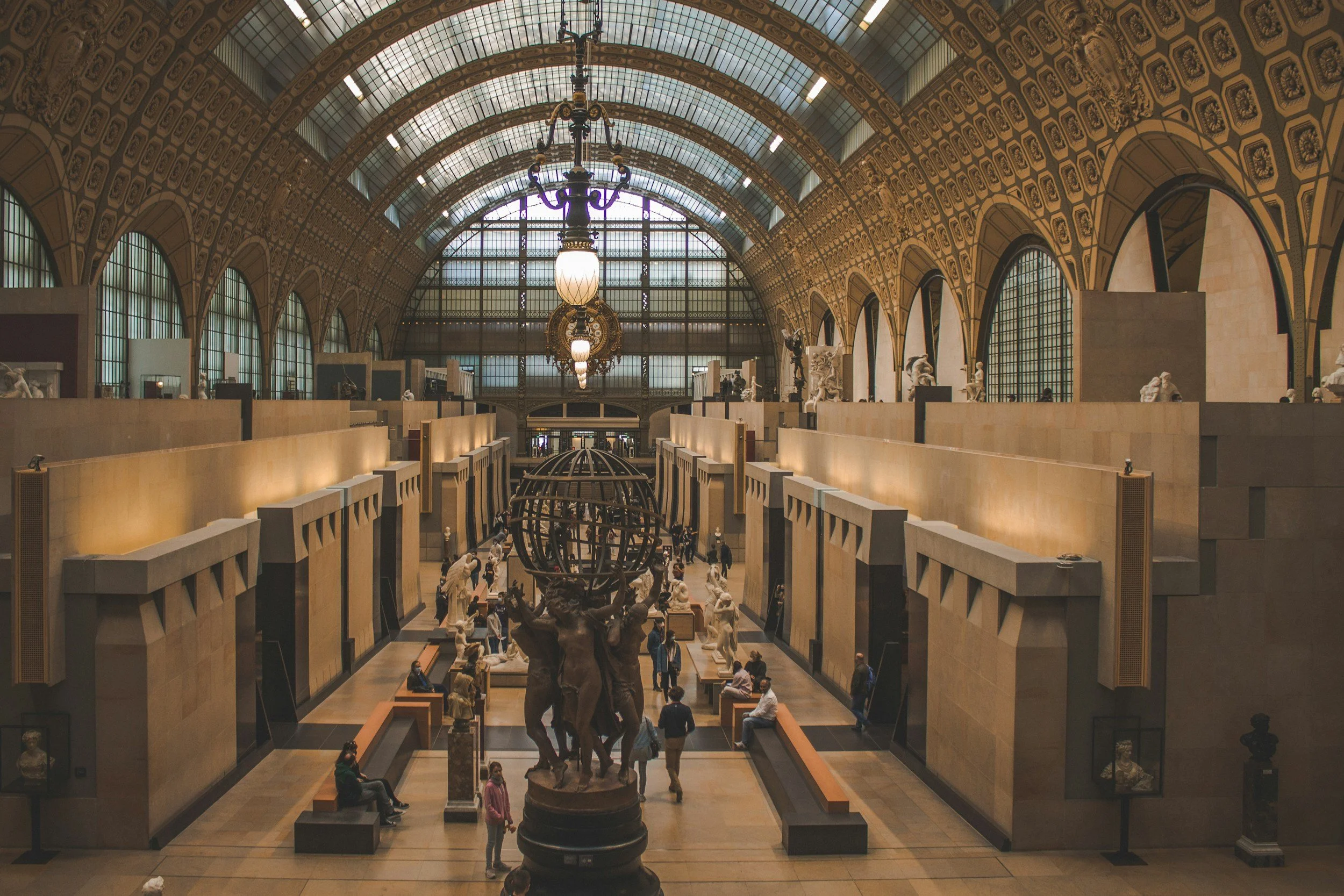
Can’t decide between the Louvre and Musée d’Orsay? Discover our comparison of Paris’s top two museums to help you choose the best fit for your trip.
When planning a trip to Paris, two world-class art destinations immediately top the bucket list: the Musée du Louvre and the Musée d’Orsay. Located just a short 15-minute walk from each other along the Seine, these two cultural giants offer vastly different experiences.
If your itinerary only allows time for one, how do you decide which museum is right for you? As licensed local guides, we walk these halls every week. Here is our breakdown to help you choose the perfect match for your interests, travel style, and schedule.
1. The Vibe and Architecture
The Louvre: Housed in a former royal palace that dates back to the 12th century, the Louvre is grand, imposing, and regal. Entering through I.M. Pei’s famous glass Pyramid sets the tone for a breathtaking, monumental journey.
Musée d’Orsay: Situated in a magnificent, light-filled Beaux-Arts train station built for the 1900 World’s Fair, Orsay feels more open and accessible. The iconic station clock overlooking the Seine offers one of the best views in Paris.
Verdict: If you love royal scale and dramatic palace architecture, choose the Louvre. If you prefer bright spaces and unique, industrial-chic heritage, go for Musée d’Orsay.
2. Art Collections: Classical Masterpieces vs. Impressionist Icons
The Louvre (Pre-History to 1848): The Louvre covers thousands of years of human history across eight departments. Here, you’ll find Egyptian antiquities, Greek and Roman sculptures, and Renaissance masterpieces—including Da Vinci’s Mona Lisa, the Venus de Milo, and the Winged Victory of Samothrace.
Musée d’Orsay (1848 to 1914): Orsay picks up right where the Louvre leaves off. It houses the world’s largest collection of Impressionist and Post-Impressionist art. Think vibrant colors, revolutionary brushstrokes, and masterpieces by Monet, Van Gogh, Renoir, Degas, and Cézanne.
Verdict: Choose the Louvre for ancient civilizations, classical sculpture, and Renaissance art. Choose Musée d’Orsay if you love Impressionism, vibrant paintings, and late 19th-century history.
3. Size, Crowds, and Museum Fatigue
The Louvre (Massive & Bustling): As the world’s largest art museum, the Louvre spans over 73,000 square meters. Navigating its endless galleries can quickly lead to "museum fatigue," especially when dodging large tour groups in crowded halls.
Musée d’Orsay (Intimate & Manageable): While still very popular, Orsay is far more compact. You can comfortably see its highlights in 2 to 2.5 hours without feeling overwhelmed or exhausted.
Verdict: If you have limited time or are traveling with children or seniors, Musée d’Orsay offers a much smoother, less exhausting visit.
Can’t Choose? Why Not Experience Both with a Private Guide?
Whichever museum you choose, navigating ticket times, security lines, and sprawling galleries can consume precious vacation hours.
With a licensed private guide, you don't have to stress about maps or crowds:
Skip-the-line coordination to maximize your time.
Tailored routes focusing strictly on what interests you most.
Fascinating storytelling that brings the art, artists, and historic buildings to life.
👉 Planning your Paris itinerary? Explore our curated Private Museum Tours in Paris and let us handle all the details for a stress-free experience!